


AUTOMATION AND AI IN INDUSTRIAL EQUIPMENT
AUTOMATION AND AI IN INDUSTRIAL EQUIPMENT
Industrial Equipment: Quieter and Cleaner
Michelle Gumede reports on technological advancements in industrial equipment, focusing on the ability of automation and AI to save or create new jobs. Titans such as Bidvest and Barloworld, major players in Africa’s materials handling sector, are making strides in adopting automation.
The Shift to Electric Forklifts
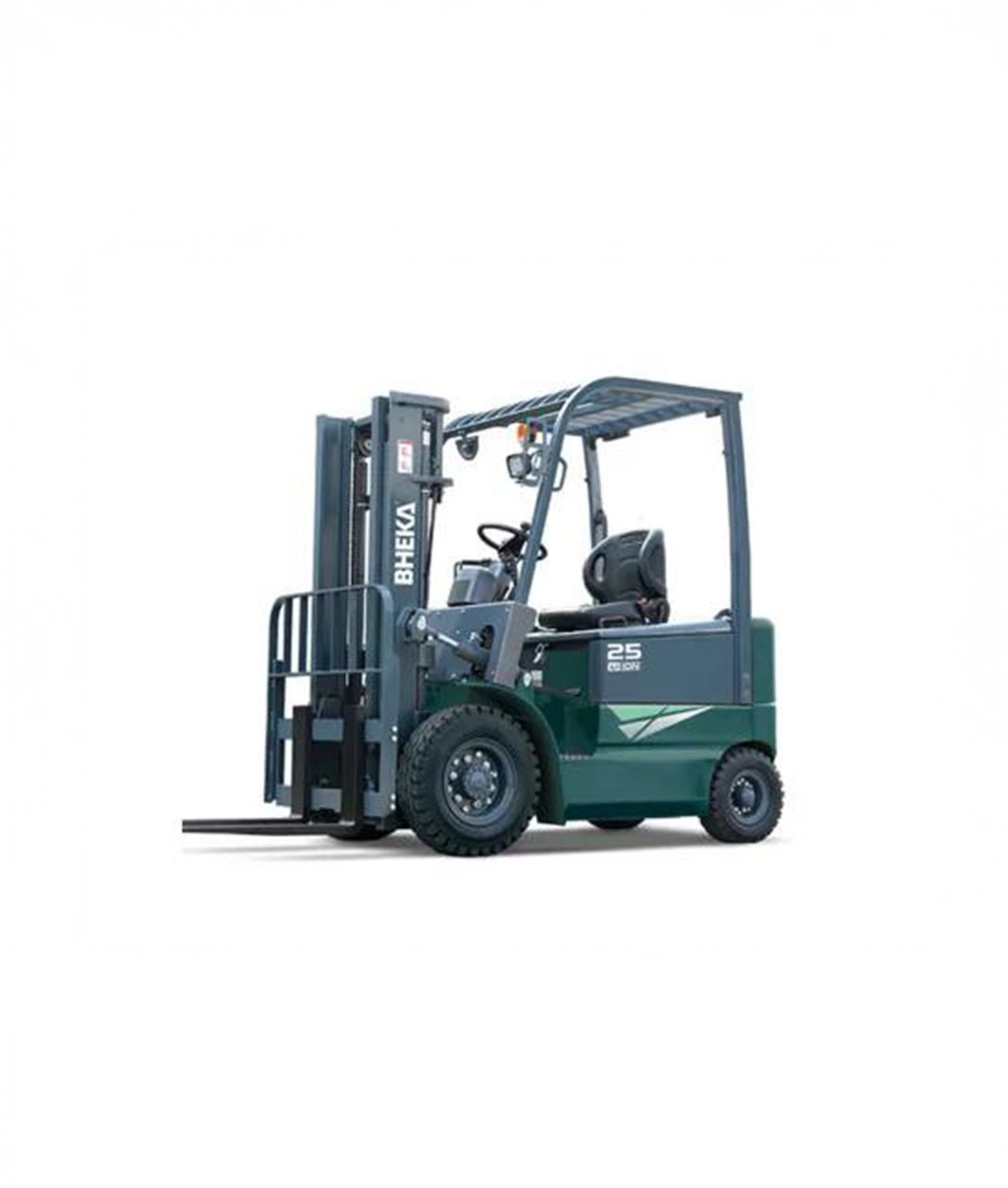
With environmentally conscious companies prioritizing cleaner technologies, the shift from noisy, polluting internal combustion forklifts to electric models is accelerating. Over the next five years, internal combustion forklifts are expected to be largely phased out.
Victor Nemukula, Managing Director of Shumani Industrial Equipment, South Africa’s largest Black-owned industrial and construction equipment provider, says:
“Electric forklifts are becoming the standard. By 2030, internal combustion equipment may be completely phased out. In some cases, electric forklifts are already cheaper than their combustion counterparts.”
Shumani Industrial Equipment is also exploring autonomous forklifts, with plans to introduce this technology by 2025. “Autonomous forklifts that operate without human intervention are the next big frontier,” Nemukula added.
Balancing Automation with Employment
The introduction of automation raises concerns about its potential impact on jobs. Nemukula acknowledges these challenges:
“Whether full automation will work in South Africa, given our high unemployment rate, is debatable. The industry is changing globally, with companies adopting automated equipment. We cannot afford to be left behind.”
Unions such as NUMSA and COSATU have welcomed technological advancements but stress the importance of protecting jobs. They advocate for investment in worker skills and retraining programs.
“We live in a country with extremely high unemployment and poverty. Automation must improve society without deepening these challenges,” said Zanele Sabela, COSATU spokesperson.
Market Growth and Expansion
The South African forklift market is projected to grow at a compound annual rate of 3.9% from 2025 to 2030, reaching an estimated revenue of $183.2 million, according to Grand View Research. Shumani Industrial Equipment is aiming for aggressive expansion, targeting large-scale equipment users.
Nemukula stated, “In the next two or three years, we want to secure a dominant position in the South African market. We are also exploring opportunities in Mozambique, Angola, Botswana, and Zimbabwe.”
The Bheka Brand
Shumani launched its Bheka forklift brand in collaboration with Anhui Heli, a leading manufacturer of forklift and warehousing equipment in China. This move allows Shumani to control pricing, ensure reliable supply, and reduce dependency on third parties.
“The margin is better because we negotiate directly with the manufacturer, and we pass those savings to our customers,” Nemukula explained.
A Vision for the Future
Shumani Industrial Equipment plans to consolidate its market position in South Africa before expanding offshore. The company continues to innovate, offering a range of port handling, warehousing, and industrial cleaning equipment, backed by expert technical support.
Nemukula concluded:
“Modernized equipment may cost more initially, but electric and autonomous models lower production costs in the long run, making them essential for the future of industrial equipment.”